

If you're anything like most dog owners, you've probably spent more time than you'd like standing in front of a wall of dog harnesses wondering which one is actually worth buying.
They all seem to promise the same thing. Better control. More comfort. Safer walks. Yet once you get your dog home and clip them in, it's often a completely different story.
The harness rubs under their legs. It slips to one side. They wriggle out of it. Or perhaps your dog still pulls like they're training for the Grand National.
Choosing the right harness isn't just about finding one that looks smart. It's about finding something that keeps your dog comfortable, secure and happy while making your daily walks that little bit easier.
Let's have a proper look at what really matters when choosing a harness.
Start With Your Dog, Not The Harness
One of the biggest mistakes people make is buying a harness because it looks good online or because another dog owner recommended it.
The truth is, every dog is different.
A lively Labrador has very different needs compared to a smaller Cockapoo. A growing German Shepherd puppy won't require the same fit as an older dog who prefers gentle strolls around the park.
Before you even begin comparing harnesses, take a moment to think about your dog's:
- Size and weight
- Breed
- Age
- Walking habits
- Energy levels
- Training experience
The best harness is always the one that suits your dog's lifestyle.
Comfort Should Always Come First
Imagine wearing an uncomfortable pair of shoes every single day.
That's essentially what an ill-fitting harness feels like for a dog.
A good harness should sit comfortably against your dog's body without rubbing, pinching or restricting movement. Look for soft padded materials around the chest and shoulders, as these are the areas that experience the most contact during walks.
Your dog should be able to walk, run, sit and lie down naturally without the harness digging in.
If your dog seems reluctant to put the harness on, scratches at it constantly or appears uncomfortable during walks, that's usually a sign something isn't quite right.
The Importance Of Proper Fit
You could buy the highest quality harness on the market, but if it doesn't fit properly, it won't do its job.
A harness that's too loose can allow your dog to slip out. Too tight and it can restrict movement or cause discomfort.
As a general rule, you should be able to fit two fingers comfortably between the harness and your dog's body.
Most quality harnesses include adjustable straps around both the neck and chest. This allows you to create a more customised fit, which is particularly useful for dogs with unique body shapes.
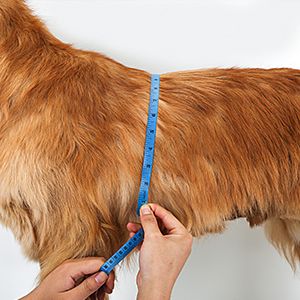
It's always worth taking a few extra minutes to measure your dog properly before ordering. Trust me, it can save a lot of hassle later on.
Think About Your Walking Style
Not every dog walk looks the same.
Some owners enjoy peaceful strolls through the village. Others head off on long countryside adventures every weekend.
Think about how and where you usually walk your dog.
If you're regularly exploring woodland trails, beaches or country parks, you'll want something durable enough to cope with mud, rain and all the excitement that comes with outdoor adventures.
If you often walk early in the morning or after dark, reflective detailing can provide additional visibility and peace of mind.
Little features may seem insignificant at first, but they often make a huge difference in day-to-day use.
Control Without Compromise
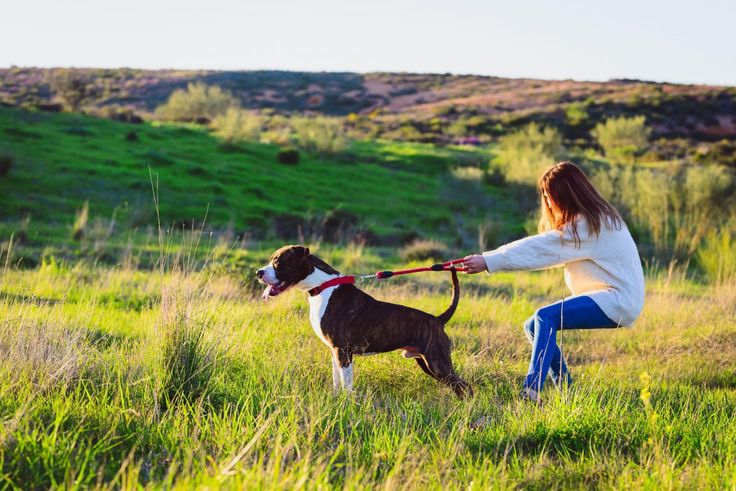
Let's talk about pulling.
Almost every dog owner has dealt with it at some point.
While a harness won't magically solve pulling overnight, the right design can make walks feel far more manageable.
Harnesses that distribute pressure across the chest rather than the neck help provide more comfortable control. This can be especially beneficial for larger breeds or enthusiastic dogs who like to charge ahead whenever they spot a squirrel.
Some harnesses also include sturdy control handles, which can be incredibly useful in busy areas, around traffic or when helping your dog navigate obstacles.
The goal isn't to control your dog through force. It's about creating a safer and more comfortable walking experience for both of you.
Don't Forget About Safety
A harness should help keep your dog secure.
Strong buckles, durable stitching and quality hardware all play an important role.
Give particular attention to attachment points. The lead connection should feel robust and reliable, especially if you have a larger or stronger dog.
Many dog owners also appreciate harnesses with reflective trim. In the UK, where gloomy afternoons and early sunsets are all part of life for several months of the year, visibility can make a genuine difference.
Quality Matters More Than You Think
It's tempting to choose the cheapest option available.
We've all done it.
But a harness is one of the few pieces of equipment your dog will use almost every day.
Investing in a well-designed harness often means:
- Better comfort
- Improved durability
- Greater security
- Easier adjustment
- More enjoyable walks
In many cases, buying one quality harness is far better value than replacing multiple cheaper versions throughout the year.
Finding The Sweet Spot
Ultimately, the best harness is one that disappears into the background.
Not literally, of course.
But once it's fitted properly, neither you nor your dog should spend much time thinking about it.
Your dog should feel comfortable enough to focus on sniffing every blade of grass they come across. You should feel confident knowing they're secure, comfortable and ready for whatever adventure lies ahead.
At Marlow & Hound, we believe every walk should feel effortless, whether it's a quick trip around the block or a weekend spent exploring the countryside together.
Because at the end of the day, walks aren't really about the harness.
They're about the moments you share with your dog along the way.
And those moments are what matter most.

Leave a comment
This site is protected by hCaptcha and the hCaptcha Privacy Policy and Terms of Service apply.