

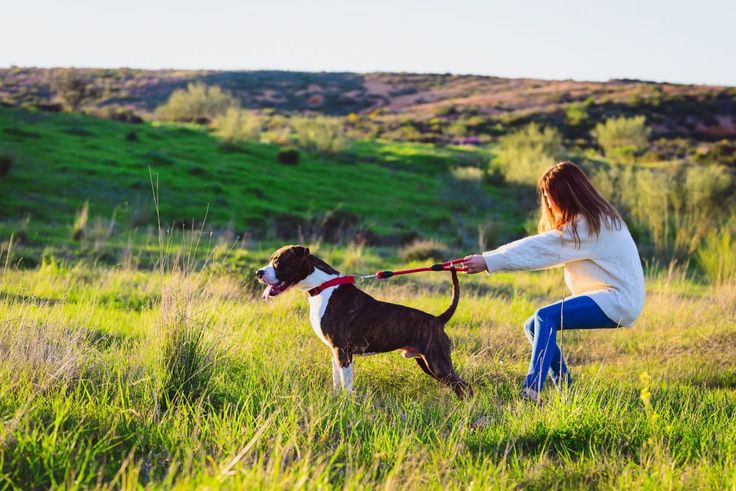
Picture the scene.
You've barely made it out of the front door before your dog is charging ahead as if they've got somewhere very important to be. Your arm is stretched, the lead is tight, and what was supposed to be a relaxing walk suddenly feels more like an upper-body workout.
Sound familiar?
If so, don't worry. You're in very good company.
Lead pulling is one of the most common frustrations dog owners experience. Whether you have an excitable puppy, a strong German Shepherd or an energetic Labrador, chances are you've found yourself wondering why your dog insists on pulling as though they're towing a caravan behind them.
The good news is that pulling is completely normal behaviour, and with the right approach, it can often be improved significantly.
Let's take a closer look at why dogs pull and what you can do to make walks more enjoyable for everyone involved.
First Things First: Your Dog Isn't Being Naughty
This is perhaps the most important thing to understand.
When dogs pull, they're not trying to annoy you.
They're not being stubborn, spiteful or deliberately difficult.
In fact, from your dog's perspective, pulling often makes perfect sense.
Dogs naturally walk faster than humans. They're curious, excited and eager to explore the world around them. Every scent, sound and movement is packed with information that we simply don't notice.
While we're strolling along thinking about what to have for dinner, our dogs are busy investigating hundreds of fascinating smells left behind by other animals, people and the environment.
To them, the walk is an adventure.
To us, it can sometimes feel like we're being dragged through one.
Excitement Is Often The Biggest Culprit
Many dogs begin pulling before they've even left the driveway.
Why?
Because they're excited.
Walks are often the highlight of their day.
Imagine someone telling you that you're about to head off to your favourite place, meet your favourite people and do your favourite activity. You'd probably struggle to contain yourself too.
Excitement naturally increases energy levels, and that energy often comes out through pulling.
This is especially common in younger dogs who are still learning how to regulate their emotions.
Your Dog May Have Accidentally Trained You
This might sting a little.
But sometimes, without realising it, we teach our dogs that pulling works.
Think about it.
Your dog pulls towards a tree.
You follow.
They pull towards another interesting smell.
You follow again.
From your dog's point of view, pulling successfully gets them where they want to go.
Dogs learn through repetition. If a behaviour consistently delivers a reward, they're likely to repeat it.
It's not manipulation. It's simply learning.
The Environment Is More Exciting Than You
Harsh, perhaps, but true.
When you're outside, you're competing with:
- Squirrels
- Birds
- Other dogs
- New smells
- New people
- Traffic
- Wildlife
The world is incredibly stimulating for dogs.
That's why training often feels easy at home and much harder once you're outside.
Your dog isn't ignoring you. They're simply distracted by everything happening around them.
Could The Equipment Be Part Of The Problem?
Not all walking equipment is created equal.
An uncomfortable collar or poorly fitting harness can make walks more difficult than they need to be.
If equipment rubs, shifts around or feels restrictive, your dog may become frustrated or uncomfortable. Likewise, equipment that provides very little control can make pulling harder to manage safely.
A well-designed harness can help distribute pressure more comfortably across the chest and shoulders while providing better control during walks.
The goal isn't to force your dog into position. It's to create an environment where both comfort and communication improve.
So, How Do You Fix Pulling?
Let's be realistic.
There isn't a magical overnight solution.
Anyone who promises otherwise is probably having a laugh.
However, there are several simple strategies that can make a huge difference over time.
1. Reward The Behaviour You Want
Dogs repeat behaviours that earn rewards.
Whenever your dog walks beside you with a loose lead, reward them.
This could be:
- Treats
- Praise
- Toys
- A quick game
The more valuable the reward, the more motivated your dog will be to repeat the behaviour.
2. Stop Moving When The Lead Tightens
This is one of the simplest techniques available.
The moment your dog pulls and the lead becomes tight, stop walking.
Completely.
Don't yank the lead. Don't scold them.
Simply stand still.
When your dog returns attention to you or loosens the lead, continue walking.
Over time, many dogs begin to understand that pulling slows the walk down rather than speeding it up.
3. Keep Training Sessions Short
Long training sessions often lead to frustration for both ends of the lead.
Focus on short periods of quality practice.
Even ten minutes of consistent loose-lead training can be more effective than an hour of frustration.
Small wins add up surprisingly quickly.
4. Make Yourself More Interesting
Remember, you're competing with the entire outside world.
Use your voice.
Change direction occasionally.
Reward attention.
Celebrate when your dog checks in with you.
The more engaged your dog feels with you, the less likely they are to focus exclusively on everything else around them.
5. Choose Equipment Designed For Everyday Comfort
Comfort matters more than many people realise.
A secure, properly fitted harness can help create a more positive walking experience while offering improved control and support.
Look for features such as:
- Adjustable fit
- Soft padding
- Durable materials
- Reflective detailing
- Secure attachment points
When dogs feel comfortable, training often becomes much easier.
Progress Takes Time
Perhaps the biggest mistake dog owners make is expecting immediate perfection.
Dogs don't learn new habits overnight.
Some days will feel brilliant.
Others may feel like you've gone backwards entirely.
That's perfectly normal.
Consistency always beats perfection.
Focus on gradual improvement rather than flawless walks.
Enjoy The Journey
At Marlow & Hound, we believe every walk should strengthen the bond between you and your dog.
The truth is, walking nicely on a lead isn't really the end goal.
The real goal is creating calm, enjoyable moments together.
The morning stroll before work.
The weekend countryside adventure.
The evening wander through your local park.
These are the moments that build trust, confidence and connection.
Pulling may be part of the journey, but it doesn't have to define it.
With patience, consistency and the right equipment, calmer walks are absolutely possible.
And when they happen, you'll both enjoy every step that little bit more.

Leave a comment
This site is protected by hCaptcha and the hCaptcha Privacy Policy and Terms of Service apply.